The Perfect Indoor Plant Selection: Tips and Recommendations for Every Home
- FurnitureCraftHub

- Feb 27, 2024
- 2 min read

Enhancing our homes with indoor plants not only improves the aesthetics of our spaces but also comes with numerous scientifically proven benefits such as improving air quality, reducing stress, and boosting creativity. Below, we present a selection of popular indoor plants suited for various environments and care levels, along with some basic care tips to ensure your plants thrive and flourish.
1. Ferns
Ferns, especially the Boston fern, are a great choice for shady spots. They thrive in high humidity and indirect light, making them perfect for bathrooms or kitchens. Keep them happy with regular misting and by keeping their soil slightly moist.


2. Succulents and Cacti
Succulents and cacti require very little maintenance, making them ideal for those who might not have a green thumb. They love lots of light and tolerate dry environments well. Overwatering is a common mistake; let their soil completely dry out between waterings.


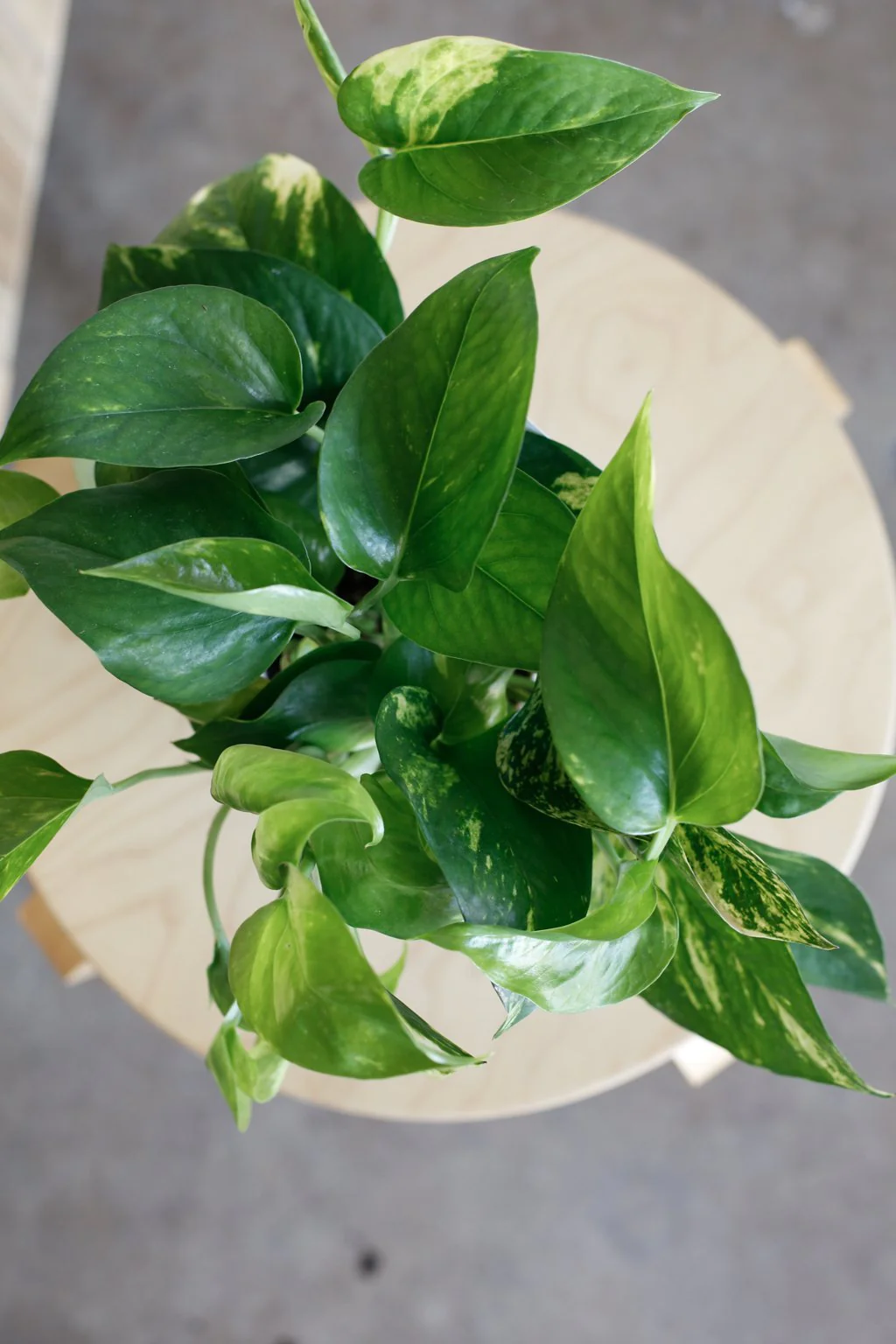
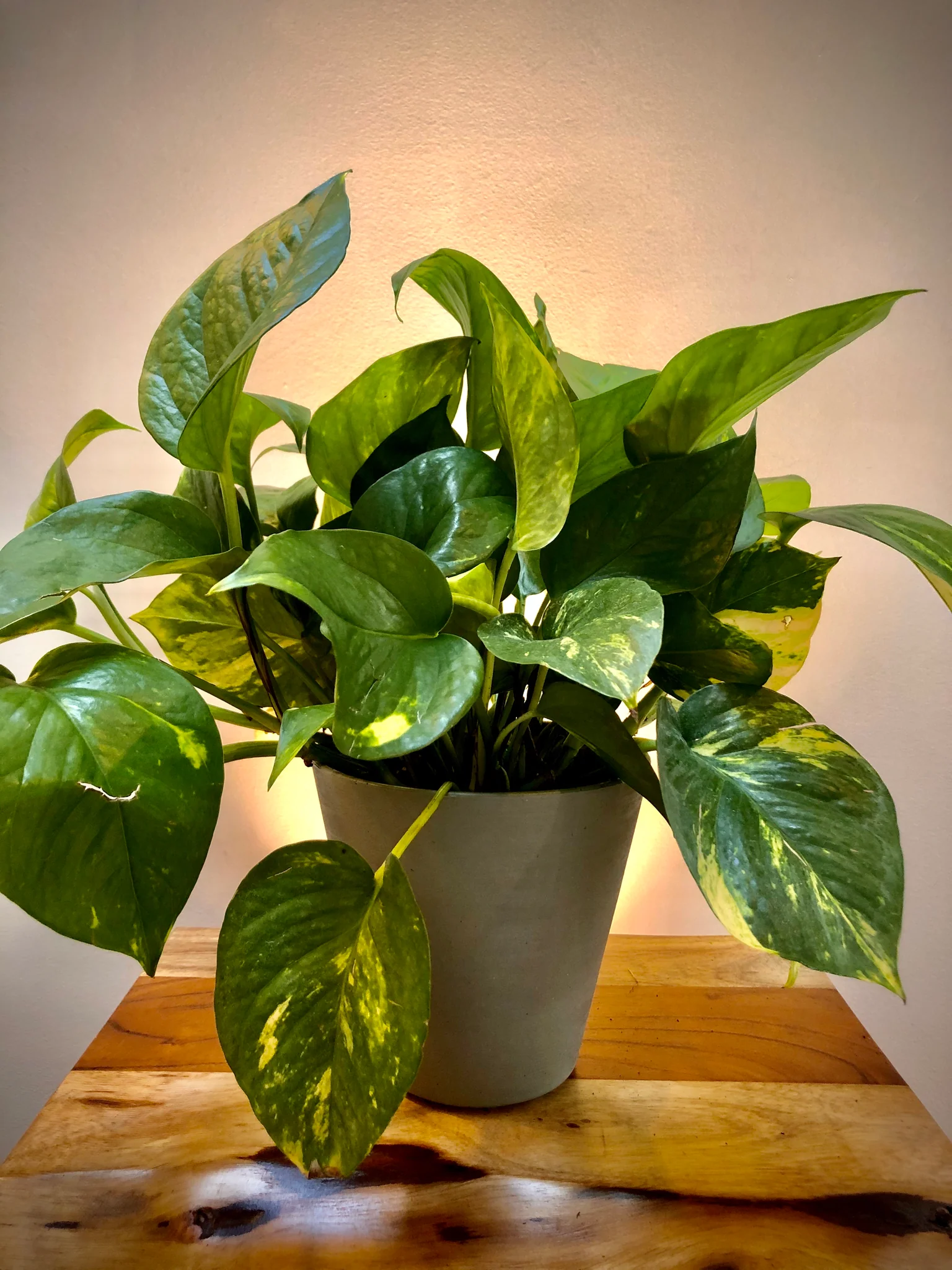
3. Pothos (Epipremnum aureum)
Pothos is an extremely popular indoor plant that does well in low light, making it perfect for spaces with minimal natural light. When hung or placed on high shelves, its trailing leaves provide stunning visuals. Allow the soil to dry out between waterings.


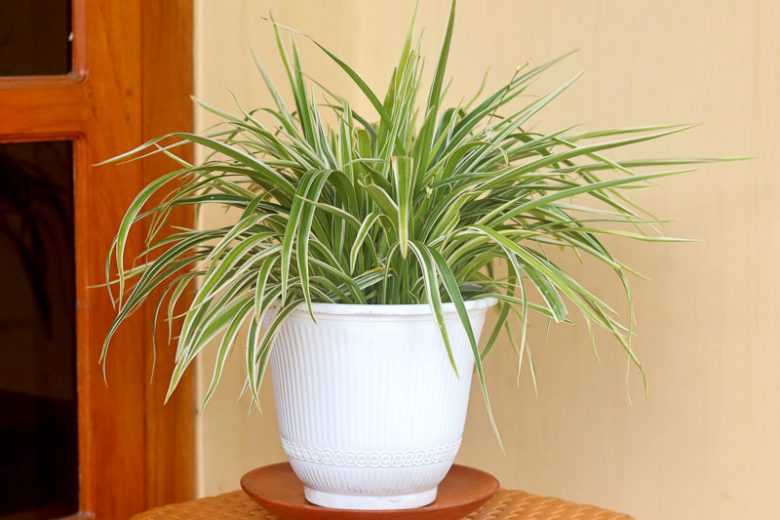
4. Air-Purifying Plants: Rubber Plant (Ficus) and Spider Plant (Chlorophytum comosum)
The rubber plant and spider plant are excellent for purifying the air, removing harmful toxins from your home. Both require moderate light conditions and regular watering but are tolerant enough for beginners to successfully care for.


Care Tips
Light: Know your plants' light requirements. Direct sunlight can scorch some plants' leaves, while others thrive in low-light conditions.
Water: Overwatering is a common error. Check the soil's moisture before watering again.
Humidity: Many indoor plants require high humidity. Increase ambient humidity with misting or using a humidifier.
Fertilization: Plants occasionally need extra nutrients through fertilization, especially during their growing season.
By carefully selecting and properly caring for our indoor plants, we can make our homes not just more beautiful but healthier as well. Both beginners and experienced plant owners can find plants that perfectly fit their home environment and lifestyle.


Comments